Artificial Intelligence (AI) is rapidly transforming countless industries, and one of the most significant yet underreported revolutions is happening in the world of document generation. As organizations strive for efficiency and individuals seek convenience, AI-powered templates are emerging as a crucial innovation. Alongside their legitimate uses, they also raise pressing concerns related to fraud prevention, fake documents, and synthetic identity scams.
AI-Powered Templates: A Glimpse Into the Future
Modern document generation tools leverage generative AI and neural networks to automate everything from resumes and business plans to government forms. These systems understand formatting, language context, and design requirements, enabling users to produce high-quality, customized paperwork quickly.
Whether generating a business plan or designing a demo document for a lawful prototype, the flexibility of AI tools is transforming document workflows.
The Rise of Fake Documents and Identity Fraud
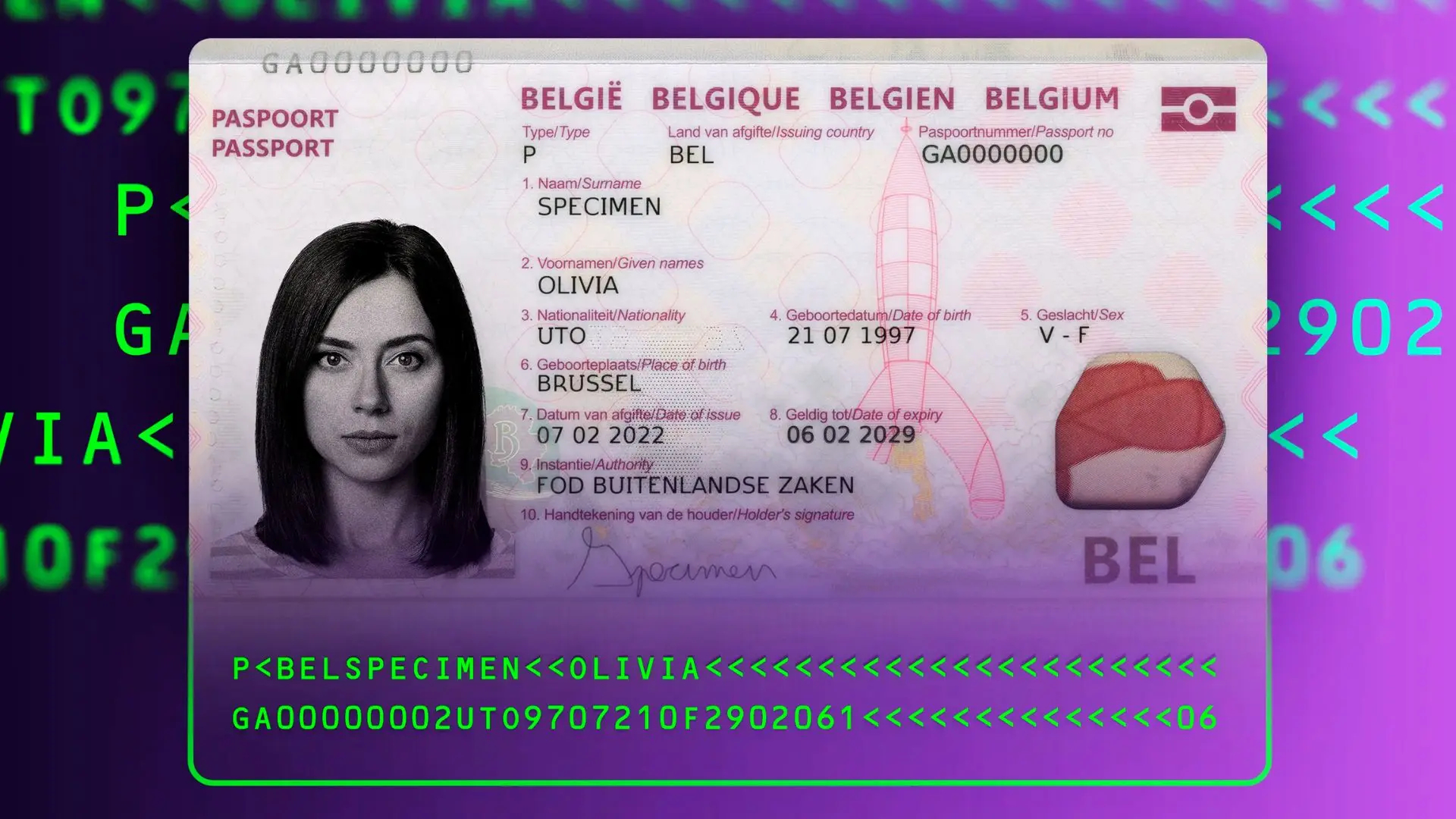
The same advances can be abused to imitate official documents and support identity fraud. Synthetic identities, manipulated images, and counterfeit credentials create serious risks for businesses, governments, and individuals.
- Counterfeit documents can be distributed cheaply and widely.
- Customizable templates can circulate on malicious forums.
- Synthetic identities can be used for scams and evasion.
- False credentials can infiltrate business and government systems.
Media Spotlight and Real-World Impact
Recent reporting has highlighted how accessible document manipulation tools have become using tools like Verif Tools. This makes it increasingly important for organizations to combine technical controls, careful review, and user education.
Fighting Back: Advanced Document Verification
Fraud detection systems increasingly combine document checks, database validation, anomaly detection, and human review. These safeguards help organizations distinguish legitimate paperwork from altered or fabricated material.
- Real-time identity validation APIs
- Cross-checking data with trusted records
- Font, layout, and pattern recognition
- Behavioral analysis during onboarding
- Deepfake and manipulation detection
Ethical Innovation and Responsible Use
Responsible AI should prioritize lawful use, transparency, privacy, watermarking during previews, and strong controls around sensitive document designs. Developers and regulators must work together to make innovation safer.
- Watermark AI-generated previews.
- Log template usage securely.
- Limit access to sensitive designs.
- Raise awareness about document fraud.
- Promote compliance with digital identity standards.
Conclusion
The future of document generation will bring speed and convenience, but trust must remain central. By combining thoughtful automation with strong verification and responsible access controls, AI can improve everyday workflows without enabling deception.
FAQ
What is generative AI in document creation?
It is software that assists with document layout, formatting, and content generation using learned patterns and user instructions.
How are fraudulent documents detected?
Verification systems compare visual features, metadata, identity information, and trusted records to flag inconsistencies.
What is a synthetic identity?
A synthetic identity combines real and fabricated information to create a fictitious profile, often for fraud.
Can AI detect document fraud?
Yes. AI can identify inconsistencies in images, text, metadata, and document structure as part of a broader verification process.
Why is document verification important?
As manipulation tools become more accessible, robust verification helps protect financial services, travel, workplaces, and online identities.